
How Do I Sell an Inherited Lakefront Home in Ohio?
You can sell an inherited lakefront home in Ohio once the probate court appoints an executor, and the court may already have given that executor the power to sell. If the will grants a power of sale, no separate court order is needed. If it does not, Ohio law requires either written consent from the surviving spouse and all heirs, or a court-supervised sale, and the home cannot close below a fair appraised value. Most Ohio estates run six to twelve months from start to final distribution, which is why the lakefront specifics: the price, the taxes, the shoreline file and the timeline, deserve their own conversation.

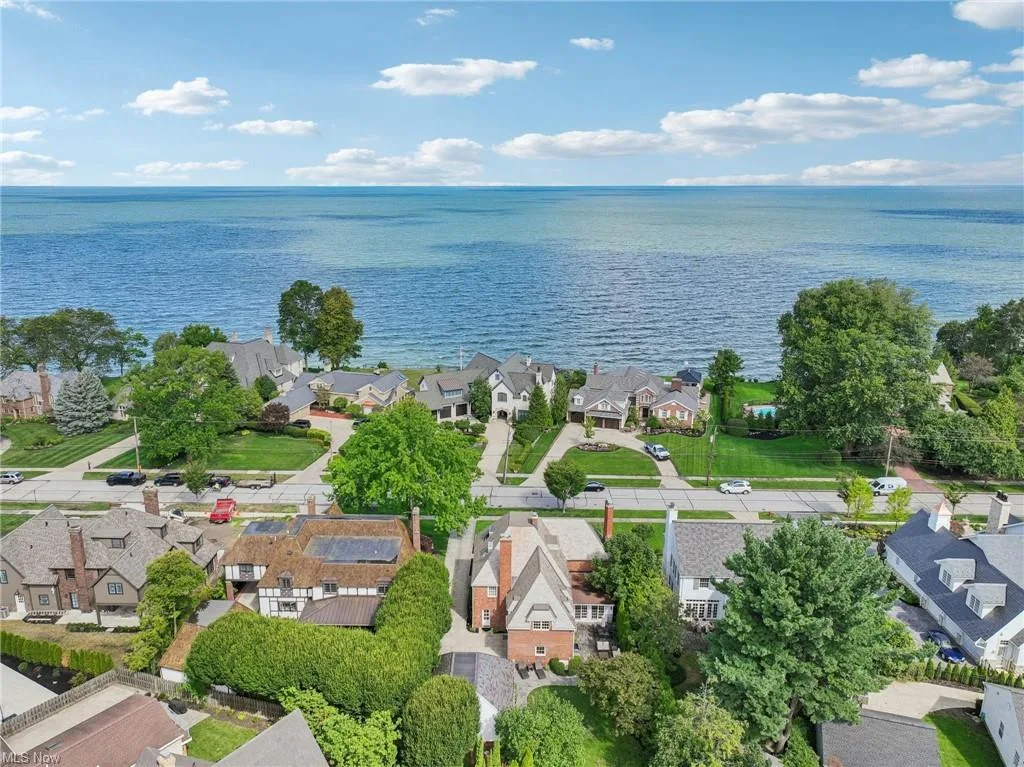
Key Takeaways
The practical summary of this article, in six lines you can weigh before you call anyone about the lake house.
- The executor is the only one who can close. Nothing gets sold until the probate court appoints an executor and that executor holds the authority to sell.
- A will may carry a power of sale. When it does, no separate court order is needed, per Ohio Revised Code 2113.39; without one, Ohio requires consents or a court-supervised sale.
- The step-up in basis resets the tax line. The home's tax basis becomes its fair market value on the date of death, so most appreciation from the owner's lifetime is never taxed.
- Value the water, or risk the estate. Lakefront homes trade 25 to 50 percent above comparable inland homes, and an inland estimate understates the estate's asset.
- Auction fits the executor's clock. A date-certain sale moves a vacant lakefront estate fast, which matters when the house is costing the estate every month.
- Keep the shoreline file. Flood disclosures, dock and seawall permits, and upkeep records protect both the executor and the sale.
1 · The short answer: authority comes before the listing
The single most common mistake in an estate sale is moving too early. An executor cannot close on an inherited Ohio house until the probate court appoints them, and that appointment usually takes weeks to arrange. Until then, do not remove, donate, sell or rent anything from the house, because the estate does not have a legal owner who can transact yet. The first call for the family is a probate or estate attorney, not a listing agent.
Once the court issues Letters Testamentary (when there is a will) or Letters of Administration (when there is not), the executor holds the estate's authority. From that point the question becomes whether the authority includes selling the real estate, and that is decided by the will and the steps Ohio law lays out below.
2 · The legal path in Ohio: powers of sale, consents and court approval
Ohio gives an executor three routes to selling real estate. The fastest is a power of sale written into the will. Under Ohio Revised Code 2113.39, when a will authorizes the sale of real property, the executor can sell without a separate court order. That is the cleanest situation for a lakefront estate, and it is worth reading the will early to find out whether the language is there.
Without a power of sale, the executor has two choices. One is to file written consents from the surviving spouse and all heirs or devisees with the probate court and sell for at least 80 percent of the appraised value, which keeps the transaction out of court. The other is a court-supervised land sale under Ohio Revised Code Chapter 2127: the executor petitions the court, interested parties get notice, and the court approves and confirms the sale. Both routes work, and the family's attorney picks the one that fits the consensus around the table.
Along the way the executor also files the estate inventory at fair market value, gives creditors proper notice, pays debts, taxes and liens in the statutory order, and closes with a fiduciary deed before distributing the proceeds. Estates under the small-estate threshold (roughly $35,000, or $100,000 when a surviving spouse takes everything) may qualify for a release from full administration, and some homes never touch probate at all, because title passed through a transfer-on-death affidavit or a living trust. An executor who sells below a defensible appraised value can be personally liable for the difference, which is exactly why the lakefront price matters: it protects the heirs and it protects the executor.
The full text of Ohio Revised Code 2113.39 is a useful first read, and your estate attorney will confirm which route applies to your will.
3 · Four ways to sell an estate lakefront home
Once the authority is in place, the executor chooses a path. Here is how the main options stack up for a Lake Erie lakefront home. These are planning observations, not a guarantee for any specific property.
| Path | How it works for an estate | Best fit |
|---|---|---|
| Traditional listing | A lakefront Realtor prices, markets and negotiates a sale on the open market, usually with the estate selling as-is | When there is time, the home shows well, or the water view is the strongest marketing asset |
| Reserve auction | A date-certain public auction with a confidential reserve, so the market sets the price by deadline | Vacant estates, heirs who live out of state, or homes that need to close within the estate's time frame |
| Absolute auction | No reserve; the highest bid wins on a fixed date, maximum urgency and buyer pull | Only when a date-certain sale matters more than a price floor |
| Cash offer from an investor | A buyer acquires the home as-is, often fast, but usually below true lakefront market value | When the estate needs a quick cash close; run the number against the premium the lake would bring |
The auction question is worth its own read: the auction versus traditional listing guide on this site compares the two paths in plain terms, including how price discovery and the deadline work in each.
4 · Taxes: the step-up in basis changes the whole calculation
Inherited property gets a fresh tax starting point. Under IRS rules, the home's basis steps up to its fair market value on the date of the owner's death (or the estate's alternate valuation date). That means the appreciation that built up over the owner's lifetime is not taxed when you sell; only gains after the date of death are, and inherited property automatically counts as long-term. The IRS gifts and inheritances FAQ is the plain-language source for this, and it is exactly why selling a lakefront home shortly after the owner passes rarely produces a large capital gain: the sale price is compared with the date-of-death value, not the 1980 purchase price.
Two refinements are worth knowing. First, if the home was given to the owner within one year of their death, the step-up can be limited, so check the facts with a tax professional. Second, the home-sale exclusion can still apply: if you owned and used the house as your principal residence for two of the five years before the sale, up to $250,000 of gain (or $500,000 for married couples filing jointly) can be tax-free. The cost of living and taxes guide on this site covers the ongoing property tax and insurance picture on the shore, which an estate also has to carry while it sells.
5 · Why a lakefront estate is a different sale
An inherited house inland is, at bottom, a price and a pile of paperwork. An inherited house on Lake Erie carries three extra layers, and each one moves the outcome.
The first is the premium. Research consistently puts waterfront homes 25 to 50 percent above comparable inland homes, so an automated estimate built on inland sales will understate the estate's biggest asset. In Rocky River, a settled bluff-top market with deep shoreline stock, or along Bay Village's Lake Road bluff, the difference between a town median and a true lakefront address is exactly where that premium lives. Undervaluing the lake is not just a missed number; it can be a fiduciary breach if the estate sells below appraised value.
The second is the water itself. The lakefront disclosure article on this site walks through Ohio's Residential Property Disclosure Form, which asks directly about flood plains and coastal erosion areas, and the shore structure permits the county and ODNR track. Buyers will ask about the seawall, the dock and the deeded or licensed riparian rights, so the file the owner kept is part of the estate's value.
The third is the carrying cost. Probate takes months, and a vacant lakefront house keeps consuming: property insurance, flood insurance near the water, heat against a cold Ohio winter, taxes, lawn and shoreline upkeep. Every month the estate waits, the house spends. For an empty water-adjacent home, the calendar is a real argument for a date-certain approach, and that is the auction conversation an estate should have.
6 · What the October 2026 town estimates show
For an executor weighing a price, the town medians frame the conversation. No public dataset isolates strictly lakefront parcels in these towns, so every figure below is an estimate from public market trackers researched October 27, 2026, and these are all-homes medians. Direct lakefront addresses trade well above the town line, which is precisely why an estate should price the water separately.
- Bay Village: 12-month median near $425,000 (Homes.com, up about 5 percent year over year), with the fastest pace on the shore at roughly 16 to 23 days on market. Bluff-top listings run far above the town median.
- Rocky River: 12-month median near $395,000 (Homes.com, up about 8 percent year over year), about 77 homes for sale and a median near 17 days on market by one October tracker. The premium band sits longest.
- Avon Lake: recent three-month median near $450,000 (Redfin, down about 4 percent year over year), about 21 days on market, with a Resideline six-month figure near $422,500 across 248 closings. The widest list-versus-sold gap on the shore sits here.
- Vermilion: an early-2026 Lorain County figure near $489,000 is weighted toward the lakefront tier, while all-home medians have run near $290,000 to $315,000. Premium listings can sit well beyond 100 days, so sellers and estates there need real marketing lead time.
- Mentor: median near $270,000 across 474 tracked closings (Resideline) with roughly 23 to 27 days on market, Lake County's biggest and most active market, with a countywide median near $249,000 (up about 8 percent year over year).
Regionally, Lorain County active listings are up roughly 20 percent year over year, so buyers have more to compare than they did in 2025, while true lakefront inventory stays scarce. For an estate, the practical read is simple: mid-range homes move in weeks, and premium lakefront homes move on preparation, honest pricing and time, all of which is why the executor's calendar matters.
7 · Mistakes that cost estates money
Estate sales fail quietly, not loudly. The patterns below show up again and again, and each one is avoidable.
- Selling before the authority exists. A contract signed before Letters Testamentary is issued usually cannot close. Get the appointment first, then talk offers.
- Pricing off inland comps. The water carries 25 to 50 percent of the value. An inland-based number shortchanges the heirs and can create personal liability.
- Letting the house eat the estate. Vacant lakefront homes cost real money every month. A marketing plan and a target date belong in the estate plan, not after the fact.
- Skipping the shoreline file. Missing flood disclosures or dock permits surface at inspection and cost the estate at the negotiating table.
- Distributing before the debts. Paying heirs before creditors and priority taxes can make the executor personally liable for the shortfall. The accounting order is not optional.
Straight answers from the article
Frequently Asked Questions
Do I have to go through probate to sell an inherited lakefront home in Ohio?
Usually, yes. The estate needs an appointed executor before the house can close, unless title passed through a transfer-on-death affidavit or a living trust, or the estate qualifies for Ohio's release from administration (roughly $35,000, or $100,000 when a surviving spouse takes everything). A probate attorney will confirm which box the estate falls into.
Will I owe capital gains tax when I sell the inherited lake house?
Usually far less than people fear, because the basis steps up to the fair market value on the owner's date of death. Only appreciation after that date is taxable, and inherited property automatically counts as long-term. If you lived in the home two of the last five years, the home-sale exclusion can shelter part of the gain.
Can the executor sell the house before the estate is fully settled?
Yes. The sale itself can happen while the estate is still open; probate courts routinely approve real estate sales before the final accounting. Executors often prefer it, because a vacant lakefront house keeps costing money until it closes. The proceeds simply stay in the estate and get distributed in the statutory order.
What if the siblings cannot agree on selling the lake house?
The executor, not the loudest voice, holds the authority, and the standard is the estate's best interest, not any one heir's wishes. When heirs disagree, Ohio's consent route stalls, and a court-supervised sale under Chapter 2127 becomes the path. Many families avoid that by choosing a date-certain auction, which converts argument into a clear process and a defined outcome.
Who pays the property taxes, insurance and upkeep while the estate sells?
The estate does, until closing. The executor is responsible for keeping the home insured (including flood coverage near the water), heated in winter, and maintained enough to protect a premium asset. Those carrying costs come out of the eventual sale proceeds, which is one more reason a tight, date-certain plan beats an open ended one.
Sources & further reading
Verify the rules at the source
Last updated October 27, 2026. This article is general information, not legal, tax or financial advice; ask your estate attorney and tax professional about a specific estate.
Ohio Revised Code 2113.39: Sale of Property Under Authority of Will
Ohio's statute that lets an executor sell real estate when the will grants a power of sale, without a separate court order.
VisitIRS: Basis of Assets (Publication 551)
The IRS publication that explains the step-up in basis for inherited property and how gains are measured when the estate sells.
VisitReady when you are
Handling an inherited lakefront home?
John has spent his career inside estate, trust and auction sales, including lakefront property across the Lake Erie shore. He can help the executor understand the options, the timeline and the path that best serves the estate, whether that means a traditional listing or a date-certain auction.
John C. Froelich, CAI, AARE, AMM
Realtor & Auctioneer · YUR Better Homes, Inc, Westlake, Ohio
Thanks for reading. Best wishes from the Lake Erie shore.